
Table of Contents
- Why Hidden Plumbing Leaks Matter
- Unexplained Increases in Your Water Bill
- Water Stains and Discoloration on Walls and Ceilings
- Musty Smells, Mold, and Mildew Growth
- How to Find a Water Leak in Your House
- Reduced Water Pressure and Strange Sounds
- Water Meter Leak Test and Underground Water Leak Signs
- Slab Leak Symptoms and Warm Floor Spots
- Frequently Asked Questions
Last Updated: October 18, 2026
Why Hidden Plumbing Leaks Matter
Hidden plumbing leaks are one of the most damaging problems a homeowner can face. Unlike visible drips under a sink, these leaks hide inside walls, beneath floors, and underground where you can’t see them. By the time you notice something’s wrong, water has already caused serious damage to your home’s structure, foundation, and systems.
At Protek Plumbing and Drain Specialists, we’ve spent over 35 years helping homeowners identify and repair hidden plumbing leaks before they become catastrophic. The cost of water damage repair can quickly spiral into thousands of dollars if a leak goes undetected. More importantly, hidden leaks create conditions for mold growth, structural rot, and foundation problems that threaten your home’s safety and value.
The key is recognizing the warning signs early. Most homeowners don’t realize they have a hidden plumbing leak until they notice one of the telltale indicators. This guide walks you through the seven most common signs of hidden plumbing leaks and what you should do when you spot them.
Unexplained Increases in Your Water Bill
Your water meter tells a story. When your bill jumps without any obvious reason, a hidden plumbing leak is often the culprit.
A typical household’s water usage stays fairly consistent month to month. If your bill suddenly increases by 10%, 20%, or more, something is using water that shouldn’t be. This is one of the earliest warning signs you can catch with minimal detective work.
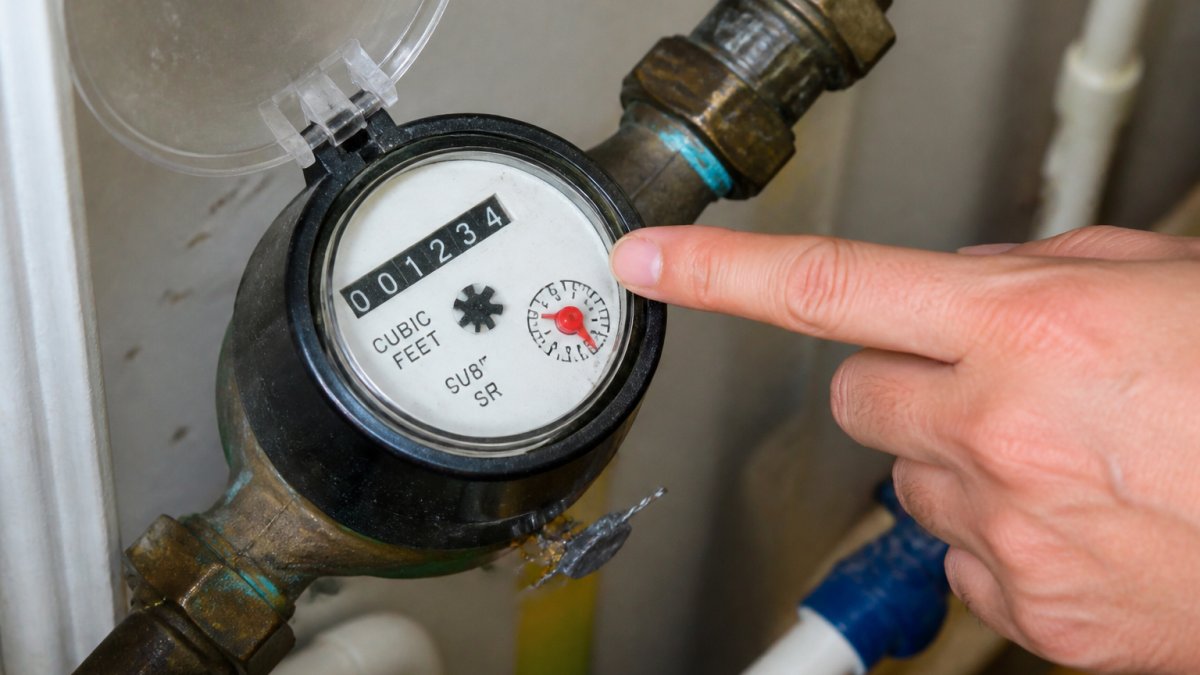
Start by checking your water meter. Turn off all water fixtures in your home, faucets, toilets, washing machine, dishwasher, everything. Then look at your meter. If it’s still moving, water is flowing somewhere it shouldn’t be. This is a leak.
Compare your current bill to previous months. Look for a pattern. Did the increase happen suddenly or gradually? Did it coincide with a change in season? Winter leaks in frozen pipes often appear as sharp spikes.
Your water company can help too. Many utilities offer leak detection services or will send a technician to verify whether the problem is on your side of the meter or theirs. If it’s on your side, you’re dealing with a hidden plumbing leak that needs professional attention.
Water Stains and Discoloration on Walls and Ceilings
Water stains are visual proof that water is traveling where it shouldn’t be. Yellow, brown, or dark stains on ceilings and walls indicate active or recent water damage from hidden plumbing leaks above.
The color tells you something about the leak’s age. Fresh water stains are lighter and more localized. Older stains spread out and darken as the water minerals oxidize. If you see a stain, there’s water damage happening directly above or behind that spot.
Ceiling stains are particularly telling. They form when water drips down from leaking pipes in the attic, between floors, or inside walls. The stain pattern often shows you the leak’s location.
Wall stains near baseboards or along the foundation suggest leaks in horizontal pipes running through the wall cavities. These are especially dangerous because they can saturate the wall structure for months before you notice visible damage.
The worst part: by the time you see a stain, significant water damage has already occurred behind the surface. Drywall absorbs water like a sponge. Wood framing starts to soften and rot.
Musty Smells, Mold, and Mildew Growth
A musty smell in your home is a red flag. That odor comes from mold and mildew growing in damp spaces where hidden plumbing leaks have created the perfect environment.
Mold thrives in moisture. If you have a hidden plumbing leak behind a wall or under a floor, you’re creating an ideal breeding ground. The smell often appears before you see any visible mold, so your nose is an early warning system.
Pay attention to where the smell is strongest. If it’s concentrated in one room or area, that’s likely where the leak is located. Musty smells in bathrooms can indicate leaks in supply lines or drain pipes. Smells in basements often point to foundation or underground leaks. Smells in attics suggest roof penetrations or leaks in upper-floor plumbing.
Visible mold growth is more serious. Black, green, or white mold patches on walls, ceilings, or in crawl spaces mean the leak has been active long enough for mold colonies to establish. Mold exposure creates health risks, especially for people with respiratory conditions or weakened immune systems (the CDC).
The presence of mold changes your response timeline from “call a plumber this week” to “call a plumber today.” Mold remediation requires professional help and adds significant cost to your repair bill.
How to Find a Water Leak in Your House
Finding the exact location of a hidden plumbing leak requires a systematic approach. Start with the most obvious areas, then move to harder-to-reach spots.
Check visible plumbing first. Look under sinks, around toilets, and behind appliances like water heaters and washing machines. Feel for dampness. Look for water pooling or active drips.
Inspect your basement or crawl space. If you have access to the area beneath your home, spend time down there looking for signs of water.
Use your water meter. This is the most reliable DIY method. Turn off all water in the house. Write down the meter reading. Wait 30 minutes without using any water. Check the meter again.
Listen for running water. In a quiet house, you can often hear water flowing through pipes. A hissing sound suggests a leak under pressure. A dripping sound points to a specific location.
Call Now For A Free Estimate ?
Look for warm spots on floors. If you have a hot water line leaking under a slab, the floor above it will feel warmer than surrounding areas.
Call a professional. If your DIY investigation doesn’t reveal the leak, professionals have tools you don’t. Thermal imaging cameras detect temperature changes from water flow.
Protek Plumbing and Drain Specialists uses advanced leak detection technology to find hidden plumbing leaks quickly and accurately.
Reduced Water Pressure and Strange Sounds
Low water pressure throughout your home suggests a leak in your main supply line. If pressure is low in only one area, the leak is likely in a branch line serving that section.
Reduced pressure happens because water is escaping through the leak instead of reaching your fixtures. The longer the leak has been active, the more water you’re losing and the lower your pressure becomes.
Strange sounds from your plumbing system are equally telling. A hissing sound indicates water spraying under pressure through a small hole. A dripping sound, especially when no fixtures are running, points to a leak in a pipe above you. A banging sound (water hammer) can indicate a leak that’s causing pressure fluctuations in the system.
These sounds often come from inside walls, making them impossible to locate without professional help. But they’re valuable clues that something is wrong. Don’t ignore them.
Water Meter Leak Test and Underground Water Leak Signs
Reading Your Water Meter
Your water meter is your best tool for confirming a hidden plumbing leak. Most residential meters measure water in cubic feet. The dial shows how much water has flowed through since the meter was installed.
To perform a leak test, locate your water meter (usually near the street or in a basement). Turn off all water in your home. Make sure no one uses water during the test, no flushing toilets, no showers, no running the dishwasher.
Write down the meter reading exactly as shown. Wait 30 minutes to an hour. Check the reading again. If it increased, you have a leak. The amount of increase tells you how fast the leak is flowing. A small increase over an hour suggests a slow leak. A large increase indicates a significant leak that needs immediate attention.
Underground Water Leak Signs
Underground leaks are the most dangerous because you can’t see them until serious damage occurs. A leak in pipes running beneath your slab foundation or in underground supply lines can go undetected for months.
Watch for these warning signs of underground leaks:
- Unexplained wet spots in your yard. If one area of your lawn stays wet while surrounding grass is dry, water is pooling from an underground leak.
- Cracks in your foundation or driveway. Water from underground leaks weakens the soil, causing settling and cracking. Large cracks that appear suddenly often indicate an active leak.
- Sinkholes or soft spots in your yard. The ground collapsing or becoming spongy means soil has been saturated and eroded by escaping water.
- Dead patches in your lawn. Too much water kills grass just as surely as too little. A brown or dying patch in an otherwise healthy lawn suggests an underground leak directly beneath it.
- Increased water bill with no visible leak. If your meter shows water loss but you can’t find a leak inside or outside your home, the leak is likely underground.
Slab Leak Symptoms and Warm Floor Spots
A slab leak occurs when a water line running beneath your foundation cracks or develops a hole. These leaks are serious because they can undermine your home’s foundation and cause structural damage.
The most distinctive sign of a slab leak is warm spots on your floor. If your hot water line is leaking under the slab, the floor above it will feel noticeably warmer than surrounding areas.
Cold water line leaks under the slab are harder to detect because there’s no temperature difference. Look for the other signs: unexplained wet spots, cracks in the foundation, soft spots in the yard, or a sudden jump in your water bill.
Slab leaks demand professional attention. The repair often requires breaking through the foundation to access and repair the pipe.
Hidden plumbing leaks damage your home silently and expensively. The seven warning signs covered here, unexplained water bills, stains, musty smells, low pressure, strange sounds, meter readings, and warm floor spots, all point to the same problem: water where it shouldn’t be.
The moment you spot one of these signs, your next step should be professional leak detection and repair. Protek Plumbing and Drain Specialists has spent over 35 years helping homeowners stop leaks before they become catastrophic.
Frequently Asked Questions
What are the first signs of a hidden plumbing leak?
The earliest indicators include an unexplained spike in your water bill, damp spots on walls or ceilings, musty odors, or the sound of running water when no fixtures are in use. Many homeowners catch hidden plumbing leaks by noticing a 10-20% jump in their monthly water usage. If your water meter continues running even when all water is shut off inside your home, a leak is almost certainly present. Early detection prevents structural damage and mold growth.
How do I check my water meter for a leak?
Turn off all water-using appliances and fixtures in your home, then locate your water meter (usually in a box near the street or foundation). Note the reading and wait 30 minutes without using water. If the meter reading has changed, you have an active leak. Some meters have a small red or blue triangle that spins when water flows; if it moves while everything is off, that confirms a leak. This water meter leak test is the fastest way to verify a hidden leak before calling a professional.
What are the signs of an underground water leak?
Underground water leak signs include unexplained wet patches in your yard, areas of grass that are greener or dying in specific spots, foundation cracks, or soft soil near your home’s perimeter. You may also notice a hissing or running water sound coming from the ground. If water bills spike without visible indoor leaks, the problem is likely underground. Professional leak detection using acoustic equipment or thermal imaging can pinpoint the exact location of underground leaks beneath your foundation or yard.
When should I call a plumber about a suspected leak?
Call immediately if you notice water stains spreading, smell mold or mildew, hear persistent dripping or running water, or discover your water meter is running continuously. Do not wait if you suspect a slab leak, as delayed repairs lead to foundation damage and expensive structural repairs. Protek Plumbing and Drain Specialists offers 24-hour emergency service with average arrival in 60-90 minutes. Early professional intervention stops water damage before it becomes catastrophic and saves you thousands in repair costs.