
Table of Contents
- Why Plumbing Maintenance for Seasonal Residents Matters
- Create a Seasonal Plumbing Maintenance Checklist Before You Leave
- Your Plumbing Checklist Before Leaving Home for the Season
- How to Winterize Plumbing in a Vacant Home
- Remote Monitoring and Leak Detection While Away
- How to Turn Water Back On After Vacation Safely
- Common Mistakes to Avoid
- When to Call a Professional Plumber
- Frequently Asked Questions
Last Updated: October 4, 2026
Why Plumbing Maintenance for Seasonal Residents Matters
Seasonal residents face a unique challenge. Your home sits empty for months. Water sits in pipes. Temperatures drop. Pressure builds. Then you return to burst pipes, frozen lines, or a flooded basement.
The damage is preventable. But it requires specific steps before you leave and careful attention when you return.
Plumbing maintenance for seasonal residents isn’t optional. It’s the difference between a smooth transition and an expensive emergency. A frozen pipe can cost thousands to repair. A slab leak discovered months later can cost tens of thousands. A burst water line under your foundation creates problems that compound over time.
The stakes are high. Your home is an investment. Protecting it takes planning, but the effort pays off.
Create a Seasonal Plumbing Maintenance Checklist Before You Leave
Before you close up your home for the season, inspect everything. A systematic walkthrough catches problems early and prevents damage while you’re away.
Inspect all visible pipes and fixtures
Start in your basement, crawl space, and attic. Look for visible pipes. Check for cracks, corrosion, or weak joints. Corroded pipes fail faster in cold weather. A small leak today becomes a major problem in three months.
Check your water heater. Look for rust, leaks, or discoloration around the base. Test the pressure relief valve by lifting the lever slightly. Water should flow freely. If it doesn’t, the valve may be stuck.
Examine exposed pipes under sinks and around toilets. Look for moisture, mineral buildup, or signs of past leaks. These areas are common failure points.
Test water pressure and flush all fixtures
Turn on each faucet and flush each toilet. Water should flow steadily. Weak pressure now signals problems that will worsen during your absence.
Run water in bathtubs and showers. Listen for strange sounds. Gurgling or hissing indicates air in the lines or potential blockages. Flush toilets multiple times to ensure they refill properly.
Test the main water shutoff valve. Locate it near the water meter. Turn it off slowly, then back on. If it’s stiff or won’t move smoothly, it may be corroded. A stuck shutoff valve becomes a nightmare if you need to stop water flow during an emergency.
Test your shutoff valve NOW, not during a crisis. A corroded valve that won’t budge could leave you unable to stop a burst pipe from flooding your home.
Your Plumbing Checklist Before Leaving Home for the Season
This is your departure preparation. These steps take a few hours but prevent weeks of damage.
Drain and shut off exterior water sources
Disconnect all garden hoses from outdoor faucets. Drain them completely. Hoses left connected freeze solid and can burst, damaging the connection and the faucet itself.
Turn off the exterior water supply. Most homes have a shut-off valve near the foundation or in the basement where the water line enters. Turn it clockwise until it stops. Don’t force it.
Open the outdoor faucets and let them drain. Leave them open. This releases trapped water that would otherwise freeze inside the line and crack the fitting.
Close interior water shutoff valves if extended absence
If you’re leaving for more than a month, consider closing the main water shutoff valve inside your home. This prevents any leak from damaging your property while you’re away.
Locate the main shutoff. It’s typically in the basement near the water meter, or in a utility closet. Turn it clockwise until snug. Don’t over-tighten.
After closing the main valve, open faucets throughout the house to release pressure in the lines. This prevents damage if water expands due to temperature changes.
Leave traps filled to prevent sewer gas and pest entry
Traps are the curved sections of pipe under sinks, showers, and toilets. They hold water that blocks sewer gas and pests from entering your home. If water evaporates during your absence, you’ll return to foul smells and potential pest problems.
Pour water down every drain: kitchen sink, bathroom sinks, showers, and bathtubs. Pour slowly and let it sit. The water seals the trap.
Flush every toilet once to ensure the bowl stays filled. If you’re leaving for several months, pour a bit of mineral oil down drains. It floats on water and slows evaporation.
Empty traps are a common problem seasonal residents overlook. Sewer gas smells terrible and can indicate bigger issues. Refilling traps takes two minutes and prevents this entirely.
How to Winterize Plumbing in a Vacant Home
Freezing temperatures are the biggest threat to vacant homes. Insulation and proper preparation are your defense.
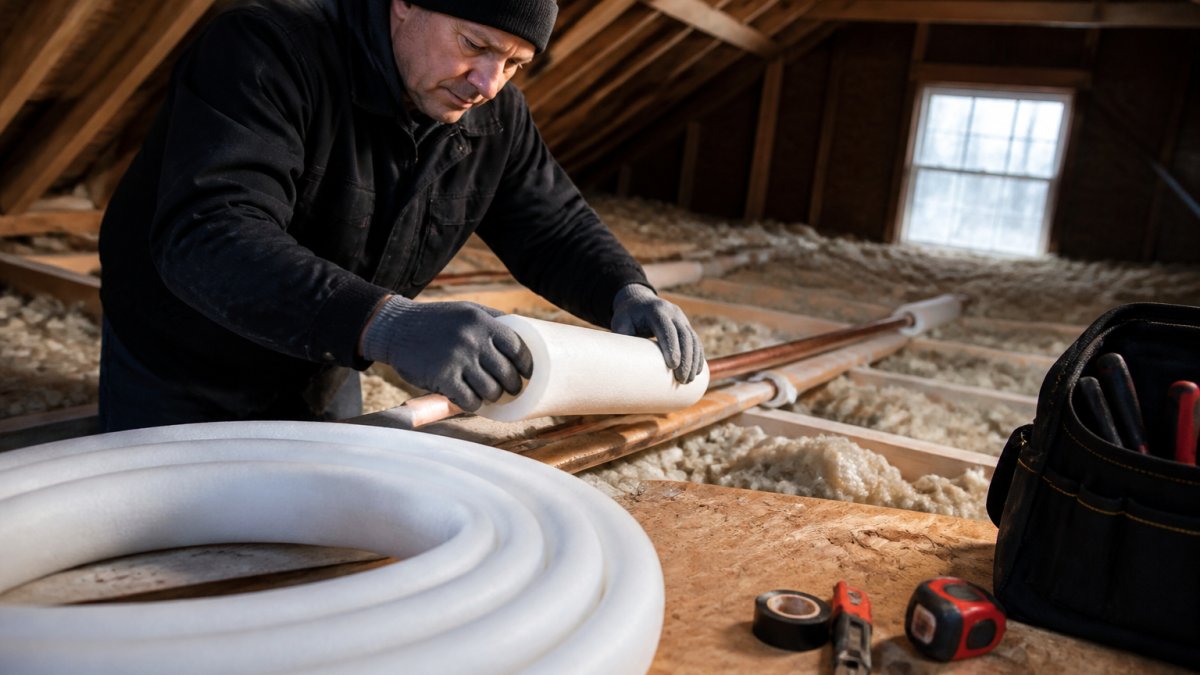
Insulate exposed pipes in crawl spaces and attics
Pipes in unheated areas freeze first. Attics, crawl spaces, and exterior walls are danger zones. Wrap these pipes with foam insulation sleeves. They’re inexpensive and take minutes to install.
Measure the pipe diameter. Buy sleeves that match. Slip them over the pipes. Tape the seams with weatherproof tape. Overlap the tape by at least two inches.
Pay special attention to pipes near exterior walls. These freeze faster because cold air surrounds them. If a pipe runs along an exterior wall, insulate it even if other pipes in the same space don’t need it.
Disconnect garden hoses and drain outdoor faucets
You’ve already disconnected hoses, but double-check. A forgotten hose is a frozen hose. Frozen hoses burst. They also damage the faucet connection.
Store hoses in a shed or garage. Coil them loosely so water drains out completely.
Drain outdoor faucets thoroughly. Turn them on and let water run until nothing comes out. Leave them open. This allows any remaining water to escape as temperatures drop.
Set water heater to vacation mode if available
Many modern water heaters have a vacation setting. Check your manual. If your heater has this feature, use it. It maintains a low temperature while you’re away, preventing freezing without wasting energy.
If your water heater doesn’t have a vacation setting, lower the temperature to 50 degrees Fahrenheit. This keeps the tank from freezing while reducing energy use.
Remote Monitoring and Leak Detection While Away
Technology lets you watch your home from thousands of miles away. Smart water monitors alert you to leaks before they cause damage.
Water leak detection systems attach to your main water line. They monitor flow 24/7. If water flows when all fixtures are off, they send you an alert. You can then contact a local plumber to investigate before damage spreads.
Call Now For A Free Estimate ?
Discuss remote monitoring options with your plumber before you leave. Some systems integrate with your phone and send real-time notifications. Others log data you can review when you return.
Smart leak detection is especially valuable for seasonal residents. It catches problems while you’re away, turning a potential disaster into a manageable repair.
Check water pressure regularly if you have a gauge. Sudden pressure drops often signal a leak. Document baseline readings before you leave so you have something to compare against.
How to Turn Water Back On After Vacation Safely
Returning home requires as much care as leaving. Rushing this process can damage your plumbing.
Open water shutoff valve slowly to avoid pressure shock
If you closed the main shutoff valve before leaving, open it carefully. Pressure builds quickly when water re-enters the lines. Fast opening can crack pipes or damage fixtures.
Locate the main shutoff valve. Turn it counterclockwise slowly. Take 30 seconds to open it fully. Listen for sounds of water flowing through the lines.
Let water run through the system for a minute before using any fixtures. This clears air from the lines and stabilizes pressure.
Check all fixtures and connections for leaks
Turn on each faucet slowly. Let water run for 10 seconds. Look for leaks under sinks and around connections. Check toilet bases for water pooling. Listen for unusual sounds.
Open showers and bathtubs. Run water for 15 seconds. Look under the tub for leaks. Check the shower valve for drips.
Flush each toilet and watch for leaks at the base or inside the tank. A small leak now is easier to fix than a major problem later.
Flush drains and refill traps with water
Pour water down every drain: kitchen, bathrooms, showers, and bathtubs. Pour slowly. This refills traps and flushes out any debris or odors that accumulated during your absence.
Flush toilets multiple times. This ensures the bowl refills properly and traps are sealed.
If you smell sewer gas or notice slow drains, call a professional. Protek Plumbing and Drain Specialists can inspect your system and clear any blockages that developed while you were away.
The first week back is when most problems surface. Don’t ignore slow drains, odd smells, or weak water pressure. These are early warning signs that something needs attention.
Common Mistakes to Avoid
Seasonal residents make predictable errors. Knowing them helps you avoid expensive repairs.
Forgetting outdoor faucets. Hoses left connected freeze and burst. Faucets left running drain water that then freezes inside the line.
Skipping the main shutoff test. A corroded shutoff valve that won’t turn is useless in an emergency. Test it before you leave.
Leaving traps empty. Water evaporates from traps during long absences. Empty traps let sewer gas enter your home.
Closing the main shutoff without opening interior faucets. Closing the valve traps pressure in the lines. Opening faucets releases that pressure and prevents damage from expansion.
Ignoring small leaks. A drip that seems minor now becomes a major problem over months. Fix leaks before you leave.
Not insulating pipes in cold climates. Foam insulation is cheap and effective. Frozen pipes are expensive and destructive. Insulate all exposed pipes in unheated areas.
When to Call a Professional Plumber
Some situations require professional help. Know when to call.
Call a plumber if you discover a leak during your pre-departure inspection. Don’t assume it will stay small. Water damage spreads quickly.
Call if your main shutoff valve is stuck or corroded. A professional can service it or replace it. This is critical for seasonal homes.
Call if you smell sewer gas when you return. This indicates a broken trap seal or a more serious issue. Professional inspection identifies the problem.
Call if water pressure is weak or water is discolored when you return.
Call if you discover any sign of water damage: stains, soft spots in drywall, or musty smells. Water damage worsens over time. Early intervention saves money.
Protek Plumbing and Drain Specialists serves seasonal residents throughout the area. We understand the unique challenges vacant homes face.
Protecting your seasonal home requires planning and attention to detail.
Frequently Asked Questions
Should you shut off the water before leaving a seasonal home?
Yes, if you’ll be absent for more than a few weeks. Locate your main water shutoff valve and close it to prevent leaks from developing while the home is unoccupied. For shorter trips, you can leave the water on but should drain outdoor faucets and disconnect hoses. Always test your shutoff valve before you need it in an emergency.
What should you check when turning the water back on after an extended absence?
Open the main water shutoff valve slowly to avoid pressure shock to the pipes. Check all visible fixtures, under-sink cabinets, and basement areas for leaks. Run water through every faucet, toilet, and shower to flush out stagnant water. Inspect hose bibs and outdoor faucets for cracks or corrosion before reconnecting garden hoses.
How do you prevent leaks in an unoccupied home?
Winterize plumbing by insulating exposed pipes, draining outdoor water sources, and closing interior shutoff valves. Leave drain traps filled with water to prevent sewer gas entry and pest intrusion. Consider installing water leak detection sensors that alert you remotely. Have a trusted local plumber perform a pre-departure inspection to catch hidden leaks.
How can you keep drains and traps from drying out while a home is vacant?
Pour water down each drain before you leave to refill the trap seal. Traps that dry out allow sewer gases to enter and pests to move through pipes. If you’ll be gone for months, ask a neighbor or property manager to run water through drains monthly. Before returning, flush all drains thoroughly to clear any buildup.