
Table of Contents
- What Is a Slab Leak and Why Early Detection Matters
- Slab Leak Symptoms: What to Watch For
- How to Test Your Water Meter for Leaks
- Professional Leak Detection Equipment and Methods
- Distinguishing Slab Leaks from Other Plumbing Problems
- Preventative Maintenance to Avoid Slab Leaks
- Health and Safety Risks of Undetected Slab Leaks
- Documentation for Insurance Claims
- Frequently Asked Questions
Last Updated: October 2, 2026
What Is a Slab Leak and Why Early Detection Matters
A slab leak is a break or crack in the water pipes buried beneath your home’s concrete foundation. These leaks happen in the plumbing lines that run under the slab before they enter your walls. The ability to detect slab leaks early is critical because undetected leaks can cause serious structural damage, mold growth, and skyrocketing water bills.
The difference between catching a leak in week one versus month three is often thousands of dollars in foundation repair costs.
Here’s what makes early detection so urgent: water pooling under your slab weakens the concrete, shifts your foundation, and creates the perfect environment for mold. By the time you see visible damage, the leak has usually been running for weeks or months. That’s why knowing the warning signs and how to test for leaks yourself can save you money and headaches.
Slab Leak Symptoms: What to Watch For
Visible and Physical Signs
The most obvious signs of a slab leak appear on your floors and walls. Look for these red flags:
- Warm spots on your floor, Feel your tile, carpet, or hardwood. Unexplained warm patches, especially near interior walls, often signal a hot water line leak beneath the slab.
- Damp or wet flooring, Moisture appearing without a clear source usually means water is seeping up through the concrete.
- Cracks in walls or flooring, Foundation movement from water damage causes visible cracks that spread over time.
- Warped wood or buckling carpet, Wood flooring and baseboards absorb moisture and swell. Carpet becomes damp and develops odors.
- Mold or mildew spots, Black or green spots on walls and floors indicate moisture trapped beneath the slab.
These signs don’t always mean you have a slab leak. But when you see them, don’t ignore them. Call a professional to rule it out.
Water Pressure and Usage Changes
Changes in water pressure and usage patterns are often the earliest warning signs. Pay attention to these shifts:
- Sudden water pressure drops, If your shower pressure decreases without explanation, a leak may be causing pressure loss in your lines.
- Hissing or running water sounds, Hear water running through pipes when nothing is turned on? That’s a major red flag.
- Water pressure inconsistency, Pressure that fluctuates room to room suggests a leak affecting your system’s balance.
These symptoms often appear before visible water damage. Catching them early means you can test and confirm a leak before serious damage occurs.
Many homeowners ignore small pressure changes thinking they’ll resolve on their own. They won’t. A pinhole leak gets worse over time, not better. Act fast when you notice water pressure dropping.
How to Test Your Water Meter for Leaks
Testing your water meter is the simplest way to confirm a slab leak. You can do this yourself in under five minutes.
Step 1: Locate your water meter. Find your water meter outside your home, usually near the street or at the property line. It’s typically in a concrete box marked “water.”
Step 2: Turn off all water inside. Close every faucet, toilet, and appliance that uses water. Make sure nothing is running.
Step 3: Check the meter for movement. Look at the small dial or indicator on your meter. On most meters, a small triangle or needle moves when water flows. If this indicator is moving while all water is off, you have a leak.
Step 4: Take a reading and wait. Write down the meter number. Wait 30 minutes without using any water. Then check the reading again. If the number changed, you have a leak somewhere in your system.
Step 5: Isolate the leak location. If your meter shows a leak, turn off the main water shut-off valve inside your home (usually near the water heater or where the main line enters). Check the meter again. If it stops moving, the leak is inside your home. If it keeps moving, the leak is in the underground line leading to your house, likely a slab leak.
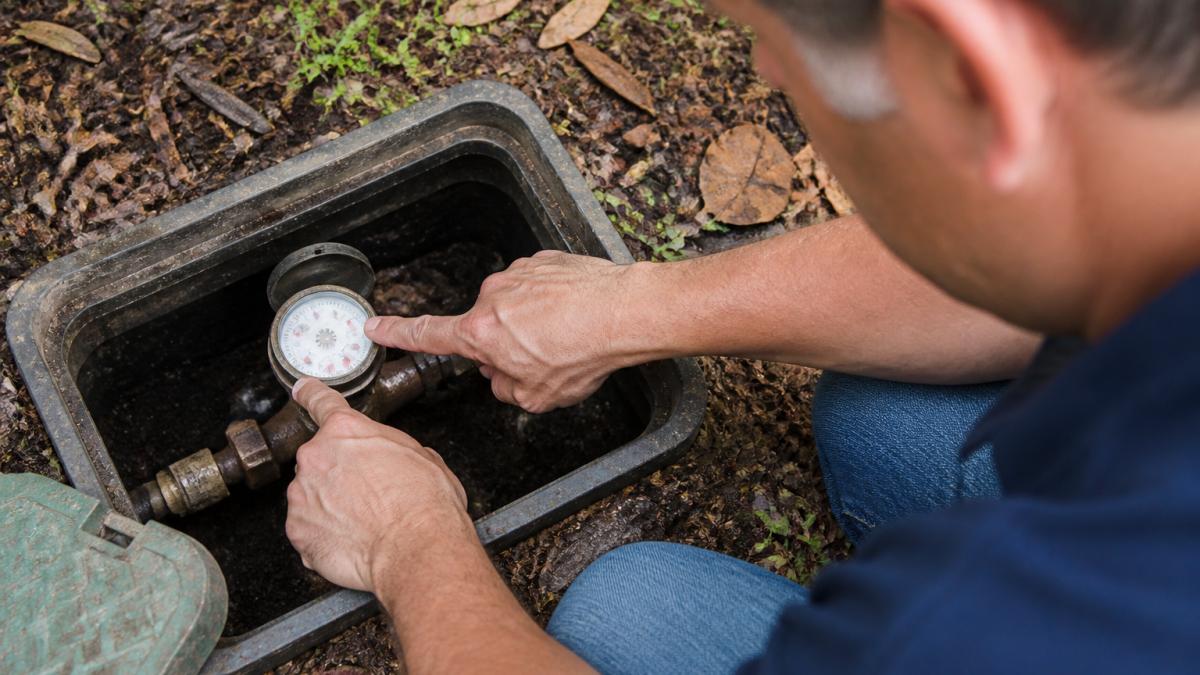
This test takes minutes but provides crucial information. If you find a leak, don’t wait. Contact Protek Plumbing and Drain Specialists right away for professional leak detection.
A leak that moves your meter even slightly will cost you hundreds of dollars per month in wasted water. Every day you delay costs money and risks foundation damage.
Professional Leak Detection Equipment and Methods
Once you suspect a slab leak, professional equipment pinpoints the exact location. This prevents unnecessary concrete cutting and keeps repair costs down.
Thermal Imaging and Acoustic Detection
Thermal imaging uses an infrared camera to detect temperature differences in your floors and walls. Hot water leaks create warm spots that show up on the thermal image. Cold water leaks are harder to spot this way, but a skilled technician can still identify moisture patterns.
Acoustic detection listens for the sound of water escaping under pressure. A technician uses sensitive listening equipment to hear the hissing or rushing sound of water spraying from a pinhole leak. This method works best in quiet homes and pinpoints leaks with remarkable accuracy.
Both methods are non-invasive. They don’t require cutting into your slab to confirm a leak location. This saves thousands in concrete repair costs.
Hydrostatic Pressure Testing
A hydrostatic pressure test isolates your water lines to confirm where a leak exists. Here’s how it works:
Call Now For A Free Estimate ?
The technician fills your water pipes with pressurized water and then closes off sections of the line. By measuring pressure changes, they can identify which section contains the leak. This test is highly accurate and helps determine whether the leak is in your hot water line, cold water line, or sewer line.
Professional equipment to detect slab leaks costs money, but it’s far cheaper than guessing and cutting into your foundation in the wrong spots. Protek Plumbing and Drain Specialists uses thermal imaging and acoustic detection to locate slab leaks with pinpoint accuracy.
Distinguishing Slab Leaks from Other Plumbing Problems
Not every leak is a slab leak. Understanding the difference helps you avoid unnecessary panic and incorrect repairs.
Slab leaks occur in the main water supply lines running beneath your foundation. They cause warm spots on floors, foundation cracks, and pressure loss throughout your home.
Leaking water heaters produce puddles near the heater itself, not throughout your home. The water is hot and localized to one area.
Burst pipes in walls cause water damage to specific rooms or walls, not broad foundation issues. You’ll see damage concentrated in one area, not spreading across multiple rooms.
Sewer line breaks produce foul odors, backed-up drains, and soggy patches in your yard. These are separate from water supply leaks.
Pinhole leaks in copper piping create tiny spray patterns. You may hear hissing but see minimal visible water damage initially. These often develop into slab leaks if left untreated.
A professional inspection tells you exactly what you’re dealing with. Don’t guess. Misdiagnosing a leak leads to wasted money on the wrong repair.
Preventative Maintenance to Avoid Slab Leaks
The best slab leak is the one that never happens. Preventative maintenance reduces your risk significantly.
Maintain consistent water pressure. Pressure that’s too high stresses your pipes and causes premature failure. Install a pressure regulator if your pressure exceeds 80 PSI. High pressure is one of the leading causes of pinhole leaks that develop into slab leaks.
Protect your pipes from corrosion. Acidic water corrodes copper and galvanized pipes from the inside out. If your home has older copper piping, consider a whole-house water filtration system or pH-balancing treatment to slow corrosion.
Monitor your water bill monthly. A sudden spike in your water bill is often the first sign of a hidden leak.
Most slab leaks are preventable with basic water pressure management and annual inspections. Catching problems early is always cheaper than emergency repairs.
Health and Safety Risks of Undetected Slab Leaks
Ignoring a slab leak doesn’t just damage your home, it creates health and safety hazards.
Documentation for Insurance Claims
Photographs and videos, Document warm spots, damp flooring, cracks, and any visible damage. Take photos from multiple angles with good lighting.
| Detection Method | Best For | Time Required | Accuracy |
|---|---|---|---|
| Water meter test | Initial confirmation | 5-10 minutes | Good for detecting leaks |
| Thermal imaging | Locating hot water leaks | 30-60 minutes | Excellent for pinpoint location |
| Acoustic detection | Finding pinhole leaks | 30-60 minutes | Excellent for pressure leaks |
| Hydrostatic pressure test | Isolating leak sections | 1-2 hours | Excellent for diagnosis |
Frequently Asked Questions
Can you have a slab leak and not know it?
Yes. Many slab leaks develop slowly and go unnoticed for months. Early-stage leaks may cause only subtle signs like slightly elevated water bills or damp flooring in one area. Without regular monitoring of your water meter and foundation condition, a slab leak can persist undetected until it causes visible structural damage, mold growth, or a significant spike in water usage. This is why early detection is critical.
How can I use a water meter test to confirm a slab leak?
Turn off all water-using appliances and fixtures inside and outside your home. Check your water meter’s flow indicator (the small dial on the meter face). If it moves while everything is off, water is flowing through your pipes when it shouldn’t be, a sign of a leak. Note your meter reading, wait two hours with no water use, then check again. A significant increase indicates an active leak, possibly a slab leak if you’ve ruled out visible leaks in your home.
What slab leak symptoms appear first?
Early slab leak symptoms include unexplained increases in your water bill, the sound of running water when no fixtures are in use, warm spots on your flooring (especially near hot water lines), or damp patches on concrete floors. You may also notice a slight decrease in water pressure. These warning signs often appear weeks or months before visible structural damage occurs, making early detection essential to prevent costly foundation repair.
Will homeowners insurance cover a slab leak?
Coverage depends on your specific policy and the cause of the leak. Sudden, accidental damage from a burst pipe may be covered, but gradual leaks from aging pipes or corrosion typically are not. Some policies exclude slab leaks entirely. Review your policy details or contact your insurance agent before assuming coverage. Proper documentation of the leak’s discovery date and cause strengthens any claim you file.