
Last Updated: November 17, 2026
Quick Summary
Yes, is a burst pipe covered by homeowners insurance in most cases, because standard policies cover sudden, accidental water damage from a burst pipe. The key word is sudden: a pipe that fails without warning is usually a covered loss, while a pipe that has been dripping behind a wall for months is a different story.
- Coverage splits into two questions: fixing the pipe itself and paying for the water damage it caused.
- Shut off the main water supply before doing anything else after a burst pipe.
- Photograph and video everything before cleanup, since a verbal description will not replace a photo.
- Standard policies usually cover the resulting damage, not the pipe repair or full replacement itself.
- Keep the heat on and insulate exposed pipes to protect coverage for frozen pipe damage.
Table of Contents
- How Burst Pipe Coverage Works Under a Home Insurance Policy
- Water Damage Insurance Claim Tips for a Burst Pipe
- Does Homeowners Insurance Cover Burst Pipes From Freezing?
- Does Homeowners Insurance Cover Pipe Replacement?
- Does Homeowners Insurance Cover Broken Pipes Under Slab?
- Exclusions That Lead to a Claim Denial
- When to Call a Licensed Plumber for a Burst Pipe
- Frequently Asked Questions
How Burst Pipe Coverage Works Under a Home Insurance Policy
If you are wondering “is a burst pipe covered by homeowners insurance,” most standard home insurance policies cover sudden, accidental water damage from a burst pipe (Water Damage: What?s Covered; What?s Not).
The honest answer depends on three things: how the pipe failed, where it sits, and what your policy says.
A burst pipe is a plumbing line that splits or ruptures and releases water without warning.
Here is the part most homeowners miss. Coverage splits into two separate questions:
- Does the policy pay to fix the pipe itself?
- Does the policy pay for the water damage the pipe caused?
Many policies answer yes to the second and no to the first. That gap is where claim disputes start.
Sudden and Accidental Damage Versus Gradual Damage
The line between sudden and accidental damage and gradual damage decides most claims. A pipe that bursts in a cold snap is sudden.
Insurers look for signs of a long-running water leak: staining, soft drywall, musty smells, or repeated small repairs. Those signs suggest the failure built up over time.
A common mistake is telling the adjuster “it’s been dripping for a while” when the real story is a sudden break.
Water Damage Insurance Claim Tips for a Burst Pipe
The single most important step after a burst pipe is to shut off the water and start documenting before anything gets thrown away. Photos, video, and receipts carry more weight with an insurance adjuster than any verbal description.
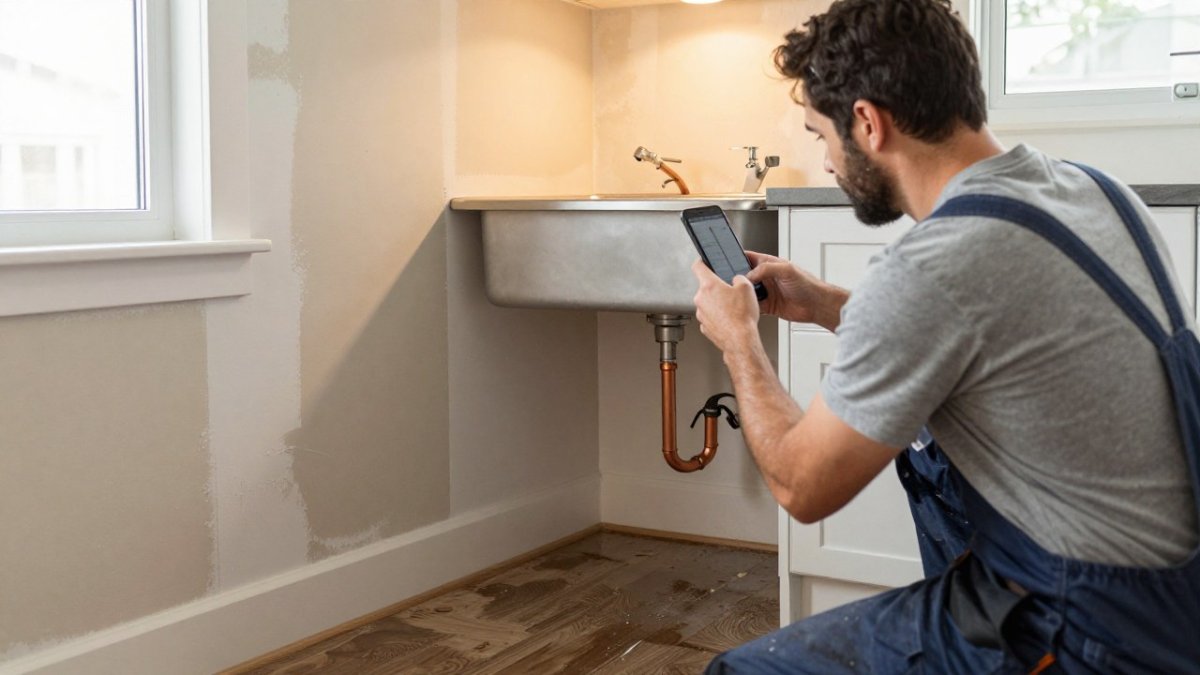
Follow this sequence. It protects both your claim and your home.
- Shut off the main water supply. Stop the flow before you do anything else. If you cannot reach the main valve, call the water utility for emergency shutoff.
- Protect people and shut off electricity to wet areas. Water and live wiring are a dangerous combination. Kill power to any room with standing water at the breaker before you walk through it.
- Call a licensed plumber to stop the leak and make safe repairs. Ask your plumber for a written report that states the cause of failure and the date the pipe burst.
- Photograph and video everything before cleanup: the broken pipe, standing water, wet drywall, soaked furniture, and damaged belongings. Take wide shots of each room and close-ups of the failure point. Include a tape measure or coin in at least one photo for scale.
- Start mitigation immediately. Dry the space, remove standing water, and prevent mold. Most policies require you to take reasonable steps to limit further damage, and many reimburse reasonable mitigation costs (Settling insurance claims after a disaster).
- Keep every receipt for emergency repairs, hotel stays, rental equipment, fans, dehumidifiers, and board-up materials. Label each receipt with the date and what it covered.
- Call your insurer and open the claim as soon as you can. Ask for the claim number and the name of the assigned adjuster in that first call.
- Save damaged items until the adjuster has seen them or approved disposal in writing. If you must discard something for health or safety reasons, photograph it first and note why in your records.
Watch out: throwing out soaked carpet and ruined belongings before you photograph them is the fastest way to lose part of a legitimate claim.
Temporary Repairs, Mitigation, and Reimbursement
Temporary repairs are not optional. Most policies expect you to take preventive measures to stop further damage, and many reimburse reasonable costs for that work.
Keep receipts for every mitigation purchase and rental. Note the date, the item, and how it limited the damage.
Preserve damaged materials when practical. Cut out a small section of wet drywall and keep it rather than hauling the whole wall to the curb.
What the Adjuster Will Look For
The adjuster’s inspection is where the claim is won or lost. Expect them to check moisture readings in walls and floors, look for staining and corrosion at the failure point, review your maintenance records, and compare the date of loss to weather records if freezing is involved.
For a professional assessment that documents the loss, you can schedule a water damage inspection before filing.
Does Homeowners Insurance Cover Burst Pipes From Freezing?
Coverage for frozen pipe damage is common, but it usually comes with conditions.
The catch is negligence. If you left the house unheated through a cold snap or skipped obvious winter prep, the insurer may argue you failed to exercise reasonable care.
Snowbirds and seasonal residents should pay extra attention here. A vacant home in freezing temperatures is a classic setup for a denied claim.
Basic protective steps:
- Keep the heat on, even when you are away.
- Insulate exposed pipes in the attic, garage, and crawlspace.
- Drain outdoor lines before a freeze.
- Ask a neighbor or property manager to check the home during cold spells.
Does Homeowners Insurance Cover Pipe Replacement?
Usually, no. Standard policies cover the resulting damage from a burst pipe, not the pipe repair or full replacement itself.
This is the most misunderstood part of plumbing damage claims. A homeowner hears “covered” and expects the whole bill gone.
Some policies add limited water backup or plumbing access coverage. Read your policy exclusions and coverage limits before you assume anything.
If you are weighing a repair against a larger job, our team can walk you through repipe options so you know what the work actually involves.
Does Homeowners Insurance Cover Broken Pipes Under Slab?
Slab leaks sit in a gray zone. Coverage depends on whether the failure was sudden or the result of long-term corrosion and wear and tear. A sudden break under the slab is more likely to be covered.
Many policies also exclude the cost of breaking through the slab to reach the pipe, even when they cover the water damage above it.
Warning signs of a slab leak include:
- A sudden jump in your water bill.
- Warm spots on the floor.
- The sound of running water when nothing is on.
- Cracks in the slab or walls.
- Damp carpet or unexplained mold.
If you suspect a slab leak, check the top warning signs so you can act before the damage spreads.
Exclusions That Lead to a Claim Denial
Most claim denials trace back to a short list of policy exclusions. Knowing them before a pipe fails is the difference between a paid claim and an out-of-pocket disaster. But the exclusion list itself is not the hard part, the hard part is understanding how an insurer decides which exclusion applies.
| Exclusion | What It Means | How to Avoid It |
|---|---|---|
| Gradual damage | Slow leaks over time | Fix small leaks early |
| Wear and tear | Aging, corroded pipes | Schedule plumbing inspections |
| Poor maintenance | Deferred repairs | Keep a maintenance log |
| Freezing neglect | Unheated vacant home | Keep heat on, insulate pipes |
| Negligence | Ignored warning signs | Act on leaks and dampness fast |
How Insurers Tell Sudden Damage From a Long-Term Leak
The line between a covered sudden failure and an excluded gradual one is rarely obvious at a glance. Adjusters look for physical evidence that the failure built up over time. A common pattern includes:
- Staining and water marks that show rings or tide lines, suggesting repeated wetting and drying.
- Corrosion and mineral buildup at the failure point, which points to a long-term condition rather than a clean split.
- Soft or crumbly drywall around the pipe, indicating prolonged moisture exposure.
- Moisture readings in materials that are elevated well beyond the immediate area of the break.
- Maintenance records that show prior repairs, warnings, or deferred fixes at the same location.
- Musty odors or visible mold that suggest moisture has been present for weeks or longer.
Watch out: telling the adjuster “it’s been dripping for a while” when the real story is a sudden break can convert a covered claim into a denied one. Be accurate, but be clear about when the water first appeared and what you observed.
Coverage Scenarios by Pipe Location and Cause
The same burst pipe can land on different sides of the coverage line depending on where it sits and why it failed.
- Frozen pipe in an exterior wall: Often covered when the home was heated and maintained; denial risk rises if the home was vacant or unheated.
- Hidden pipe behind drywall that split suddenly: Usually covered for resulting water damage; the pipe repair itself may still be excluded.
- Outdoor hose bib or irrigation line: Coverage depends on whether the failure is sudden and whether the line is part of the dwelling or a separate structure.
- Appliance-connected supply line (washer, refrigerator, dishwasher): Sudden failures are commonly covered; slow drips that rotted the floor are often ruled gradual.
- Neglected pipe with visible corrosion: Frequently denied under wear-and-tear or maintenance exclusions, even if the final break was abrupt.
A damp basement or crawlspace is a red flag for insurers. It suggests moisture has been building for a while. Our guide to preventing water damage covers the upkeep steps that keep a small issue from becoming a denied claim.
When to Call a Licensed Plumber for a Burst Pipe
Call a licensed plumber the moment water is actively flowing and you cannot stop it. A burst pipe is an emergency, not a weekend project.
Signs you need help now:
- Water spraying or pooling from a wall, ceiling, or floor.
- A water bill that spikes for no reason.
- No water pressure after you shut off the valve.
- Water you cannot shut off at the main.
For urgent failures, reach an emergency plumber who can stop the leak and document the damage for your claim.
A burst pipe is stressful enough without guessing what your policy covers. The right plumber stops the water, protects your home, and gives your insurer the clear documentation a claim needs.
Frequently Asked Questions
Is a burst pipe covered by homeowners insurance?
In most cases, yes, but with a key distinction. Standard home insurance policies cover the resulting water damage to floors, walls, ceilings, and belongings after a sudden and accidental pipe failure. The pipe itself is usually excluded because it is considered part of the plumbing system the homeowner is expected to maintain. Review your policy exclusions and deductible before filing so you know what to expect.
Does homeowners insurance cover the cost to repair or replace a burst pipe?
Usually not. Most policies exclude the pipe and plumbing system repair itself, covering only the resulting damage the burst caused. Some policies offer limited extended coverage for access and repair, so check your declarations page. Either way, you will likely pay the plumber out of pocket for the pipe while the insurer handles water damage to the structure and personal property.
Does homeowners insurance cover burst pipes caused by freezing?
Often yes, if the damage is sudden and you took reasonable care to prevent it, such as keeping heat on and letting faucets drip during freezing temperatures. Insurers may deny the claim if the home was left unheated or unoccupied without proper precautions. Snowbird properties left vacant for months are a common denial scenario, so arrange regular checks and document preventive measures.
What should I do first after a pipe bursts?
Shut off the water supply immediately, then call a licensed plumber to stop the leak and mitigate damage. Photograph and video the damage before cleanup, keep receipts for temporary repairs, and contact your insurer to open a claim. Do not throw away damaged items until the adjuster has seen them. Fast action on mitigation protects both your home and your claim.
Can an insurer deny a burst pipe claim because of poor maintenance?
Yes. Policies require reasonable care, and insurers can deny claims tied to wear and tear, corrosion, or long-term neglect. A gradual leak that went unnoticed for months is treated differently from a sudden rupture. Keep records of plumbing maintenance and repairs, and address small leaks promptly, because documentation helps show the failure was unexpected rather than the result of deferred upkeep.
