
Table of Contents
- Why Homeowners Seek Roto-Rooter Alternatives for Drain Cleaning
- Professional Drain Cleaning Services Beyond National Chains
- Drain Snaking vs. Hydro Jetting: Choosing the Right Method
- Main Sewer Line Clog Signs and Diagnosis
- Consumer Drain Cleaners: When They Work and When They Don’t
- Questions to Ask a Plumber About Drain Cleaning
- How to Choose the Right Drain-Cleaning Provider
- Frequently Asked Questions
Last Updated: October 16, 2026
Why Homeowners Seek Roto-Rooter Alternatives for Drain Cleaning
When a drain backs up, homeowners face a choice: call the national chain or explore other options. Many turn to Roto-Rooter alternatives for drain cleaning because they want more control over cost, method, and who shows up at their door.
At Protek Plumbing and Drain Specialists, we’ve worked with hundreds of local homeowners.
This guide covers drain-cleaning solutions, from professional services to consumer products, so you’ll know what questions to ask and which approach fits your clog.
Before calling anyone, check whether your clog is in a single fixture (kitchen sink, shower) or affecting your whole house. That one detail determines whether you need a plumber, a drain specialist, or just a consumer product.
Professional Drain Cleaning Services Beyond National Chains
The drain-cleaning market extends far beyond national chains. Local plumbers, independent drain specialists, and regional services compete for your business, often with better responsiveness and more transparent pricing.
Local Plumber vs. Drain-Cleaning Specialist
A local plumber handles general plumbing work: repairs, installations, maintenance, and yes, drain cleaning. A drain-cleaning specialist focuses exclusively on clogs, blockages, and sewer diagnostics. The distinction matters because it shapes their expertise, equipment, and approach.
Local plumbers typically use mechanical methods (snakes, augers) and chemical products, and can handle your clog plus a leaking faucet or trap replacement.
The National Association of Plumbing-Heating-Cooling Contractors publishes standards for drain-cleaning practices to ensure safety and effectiveness. When you call a licensed professional, whether a plumber or specialist, they should follow these industry standards.
A plumber who arrives with only a basic snake and chemical drain opener may not be equipped for tree-root blockages or grease-caked main lines. Ask what methods they use before booking.
Service Coverage and Response Times
National chains promise broad coverage and quick arrival. Local services compete on the same metrics but often deliver better results because they’re not juggling calls across multiple service areas.
Response time matters most during emergencies. Protek Plumbing and Drain Specialists operates 24-hour emergency service with an average arrival window of 60-90 minutes for urgent calls.
Coverage area also affects pricing. National chains charge consistent rates across regions, overpricing in low-cost areas and underpricing in high-demand zones. Local providers adjust pricing to their actual market.
Drain Snaking vs. Hydro Jetting: Choosing the Right Method
Two methods dominate professional drain cleaning: mechanical snaking and hydro jetting. Each has strengths, limitations, and situations where it’s the clear choice.
Mechanical Drain Cleaning with a Snake
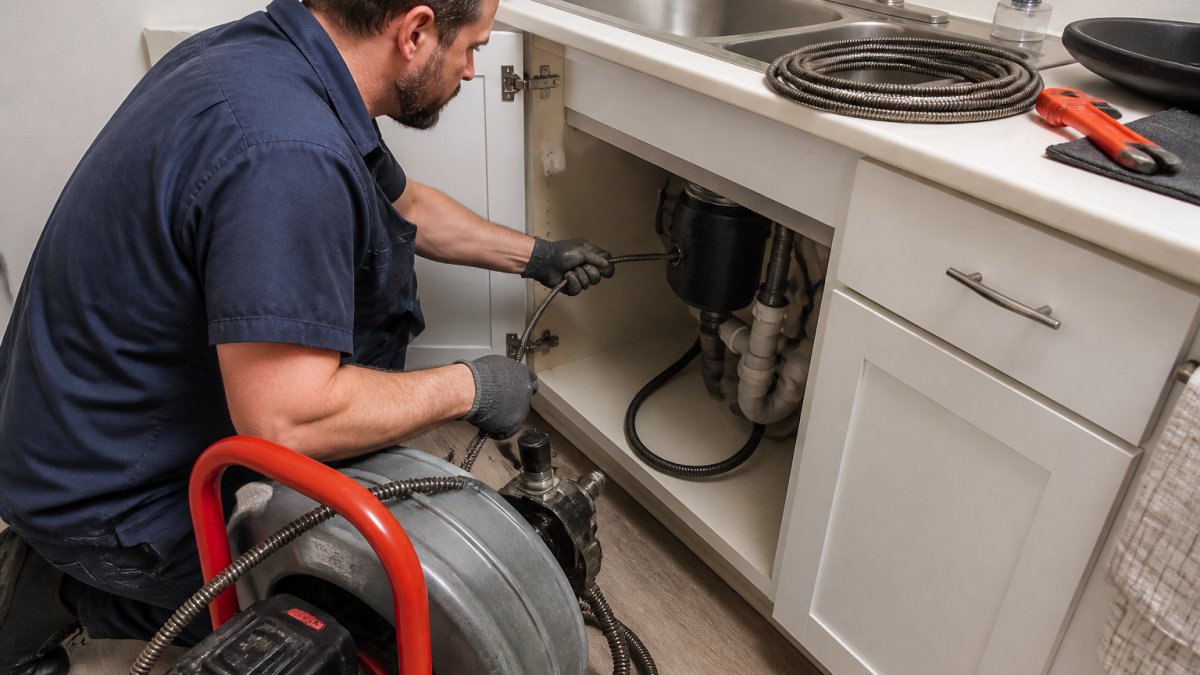
A drain snake (also called a rooter or auger) is a flexible, rotating cable that physically breaks through blockages.
Snakes excel at hair blockages, soap buildup, and food debris.
The limitation: snakes don’t clean the pipe walls. They punch a hole through the clog but leave residue behind. For grease-heavy drains or recurring clogs, that residue builds back up within weeks or months.
High-Pressure Hydro Jetting
Hydro jetting uses pressurized water (typically 3,000-4,000 PSI) to blast through blockages and scour the pipe interior, leaving it cleaner than snaking.
Hydro jetting handles grease, mineral deposits, and tree roots effectively. It cleans the entire pipe wall, not just the clog, reducing recurring problems. For commercial kitchens, restaurants, or older homes with chronic drain issues, it often prevents backups for months or longer.
The trade-offs are cost and risk. Hydro jetting runs higher than snaking. And high-pressure water can damage older pipes, PVC lines, or pipes with existing cracks.
Clog Type and Pipe Material Considerations
The type of blockage and your pipe material should guide the choice.
Hair and soap clogs in modern plastic drains? A snake works fine and costs less. Grease buildup or a main line clogged with tree roots? Hydro jetting is worth the extra cost because it solves the problem more completely. Older cast-iron or clay pipes? Snaking is safer; hydro jetting risks rupture unless done at lower pressure by an experienced operator.
A reputable drain specialist will ask about your pipe age and material before recommending a method. If they don’t, that’s a red flag.
The best method depends on three factors: clog type (hair, grease, roots), pipe material (PVC, cast iron, clay), and whether you’re treating a recurring problem. A professional inspection often costs nothing and reveals which method will actually solve your problem.
Main Sewer Line Clog Signs and Diagnosis
A main sewer line clog affects your whole house and requires professional diagnosis before treatment.
Identifying a Main Line Problem
Multiple drains backing up simultaneously is the clearest sign. If your toilet, shower, and kitchen sink all drain slowly or back up at once, the blockage is in the main line connecting your home to the municipal sewer.
Other indicators include sewage smell in the yard, wet patches in the lawn, or gurgling drains when you run the washing machine.
A single slow drain is usually a fixture-level clog. A whole-house backup means calling a professional immediately, since main-line problems worsen quickly and can cause serious damage.
Sewer Camera Inspection for Accurate Assessment
The camera reveals whether the clog is debris, tree roots, mineral buildup, or a collapsed pipe. A simple blockage might need snaking or jetting; a collapsed pipe requires excavation and replacement.
The Trenchless Technology Center at North Carolina State University provides guidance on sewer inspection methods that meet industry standards for accuracy and safety.
Call Now For A Free Estimate ?
Camera inspection costs money upfront (typically a diagnostic fee), but it prevents expensive guesswork. Protek Plumbing and Drain Specialists provides transparent estimates before work begins.
Never let a plumber recommend a repair method without first inspecting the line. “I think it’s roots” or “probably grease” isn’t good enough for a main-line clog. Insist on camera verification.
Consumer Drain Cleaners: When They Work and When They Don’t
Over-the-counter drain cleaners are cheap and promise quick fixes, but they work in some situations and fail in others. Knowing the difference saves money and prevents damage.
Chemical vs. Enzyme-Based Products
Chemical drain cleaners (like Drano) use caustic or oxidizing compounds to dissolve blockages. They work fast on soft clogs like hair and soap but struggle with solid debris or mineral buildup, and can damage certain pipes.
Enzyme-based cleaners (like Green Gobbler) break down organic material biologically. They’re safer for pipes and the environment but work slower and won’t touch mineral deposits or plastic debris.
Research from The Spruce’s drain-opener testing identified Drano Max Gel Clog Remover as a top performer for general household clogs at around $10 per bottle.
Best Practices for Safe Product Use
If you choose a consumer drain cleaner, follow the instructions exactly. Mixing products can produce toxic fumes, and never use a plunger after adding chemicals, since splash-back can cause serious burns.
For tough clogs, consumer products often fail. If the drain doesn’t clear after one treatment, stop and call a professional. Repeated applications waste money and risk pipe damage, while professional service costs more upfront but solves the problem completely and safely.
Consumer drain cleaners work on fresh, soft clogs in accessible drains. For main-line clogs, recurring blockages, or tough debris, they’re a waste of time and money. A professional service delivers results that last.
Questions to Ask a Plumber About Drain Cleaning
Before hiring a drain-cleaning service, ask these questions. The answers reveal whether the professional is transparent, experienced, and right for your job.
Upfront Pricing and Service Guarantees
“What’s your service call fee, and does it apply toward the final bill if I hire you?” A reputable plumber includes the diagnostic fee in the total cost if you proceed with the work. Hidden fees are a sign of trouble.
“What’s your guarantee?” Protek Plumbing and Drain Specialists backs every job with a 100% workmanship guarantee.
“Will you provide a written estimate before starting?” Never allow work to begin without a clear, itemized estimate. This protects you from surprise charges.
Diagnosis, Prevention, and Recurring Clog Solutions
“How will you diagnose the problem?” If they don’t mention camera inspection for main-line issues, ask why not. A professional should be willing to inspect before recommending treatment.
“Why do you think this clog keeps coming back?” If you’ve had the same drain clog three times in six months, the issue isn’t the clog, it’s the underlying cause.
“What can I do to prevent future clogs?” This separates professionals from order-takers.
How to Choose the Right Drain-Cleaning Provider
After weighing methods and understanding your clog, the final decision is which service to hire. Three criteria matter most: credentials, responsiveness, and transparency.
Licensing, Bonding, and Insurance Verification
A licensed plumber has passed exams and met state requirements. Bonding protects you if the plumber damages your property or fails to complete work. Insurance covers accidents on your property. All three are non-negotiable.
Ask for proof of licensing and insurance before work begins. The Florida Department of Business & Professional Regulation maintains a searchable database of licensed plumbers so you can verify credentials directly. Protek Plumbing and Drain Specialists is fully licensed, bonded, and insured, details you can confirm independently.
Emergency Availability and Response Guarantees
If you need service at 2 a.m. on a Sunday, can they respond?
Also ask: do they charge more for emergency calls? Some services add a surcharge for nights and weekends; others don’t. Know the full cost before you’re in crisis mode.
Protek Plumbing and Drain Specialists offers 24-hour emergency service with a 60-90 minute average arrival window, transparent estimates, and a 100% workmanship guarantee.
Homeowners seeking fast, reliable drain-cleaning service with transparent pricing and professional accountability. The combination of licensed expertise, emergency availability, and upfront guarantees makes professional local service the best choice for main-line clogs, recurring blockages, and any situation where a consumer product has already failed.
Dealing with a clogged drain shouldn’t mean settling for a one-size-fits-all national chain or hoping a consumer product works.
Frequently Asked Questions
What methods do professional plumbers use for drain cleaning?
Professional drain cleaning typically uses mechanical methods like drain snaking or high-pressure hydro jetting. A drain snake uses rotating blades or hooks to break up and remove blockages, while hydro jetting forces pressurized water through pipes to clear stubborn buildup. For diagnosis, plumbers may use sewer camera inspection to see inside the pipe and determine the exact location and nature of the clog before choosing the best cleaning method.
How can I tell if I have a main sewer line clog?
Main sewer line clog signs include multiple drains backing up simultaneously, slow drainage throughout the house, gurgling sounds from toilets or drains, sewage odors near the foundation, and wet patches in the yard. If plumbing fixtures on different levels are affected at the same time, the problem is likely in the main line rather than a single branch. A sewer camera inspection can confirm the diagnosis and show the exact blockage location.
What should I ask a plumber before hiring them for drain cleaning?
Ask about licensing and bonding status, upfront pricing before work begins, the estimated arrival time for emergency calls, whether they offer a workmanship guarantee, and how they’ll diagnose the problem. Request information about their recommended cleaning method and why it suits your specific clog. Ask if they provide preventive advice for recurring clogs and what their policy is if the clog returns shortly after service.
Is drain snaking or hydro jetting better for my clog?
Drain snaking works well for hair, soap buildup, and partial blockages in accessible pipes. Hydro jetting is more effective for grease, mineral deposits, and stubborn sludge that coat the pipe walls. The best choice depends on your clog type, pipe material, and pipe age. Older pipes may not tolerate high-pressure hydro jetting, while newer pipes often benefit from its thorough cleaning. A professional inspection can determine which method is safest and most effective.
Do over-the-counter drain cleaners work as well as professional service?
Consumer drain cleaners like Drano or Green Gobbler work for minor clogs caused by hair or soap but rarely resolve serious blockages like tree roots, grease buildup, or sludge. Chemical cleaners can damage older pipes and are ineffective once water stands in the drain. Professional drain cleaning equipment reaches deeper clogs, provides diagnosis of underlying problems, and prevents damage to your plumbing system. For recurring or severe clogs, professional service is more cost-effective than repeated product purchases.