
Table of Contents
- Why Plumbing Maintenance for Seasonal Homes Matters
- How to Winterize Plumbing in a Vacation Home
- Signs of Plumbing Leaks in Unoccupied Homes
- Essential Seasonal Plumbing Inspections
- Cost of Whole House Repiping: When It’s Necessary
- Long-Term Vacancy Protocols and Smart Monitoring
- Frequently Asked Questions
Last Updated: September 23, 2026
Why Plumbing Maintenance for Seasonal Homes Matters
Seasonal homes face a unique set of plumbing challenges that year-round residences don’t encounter. When a property sits vacant for months, water sits stagnant in pipes, temperatures fluctuate dramatically, and systems operate without regular monitoring. This creates an ideal environment for leaks, frozen pipes, corrosion, and structural water damage that can cost thousands to repair.
The stakes are higher for seasonal homeowners because problems often go undetected. A slow leak inside a wall or under a slab can cause extensive damage before you return to discover it. Frozen pipes can burst silently over winter. Sump pumps fail without anyone knowing. By the time you arrive for the season, the damage is already done.
Protek Plumbing and Drain Specialists has worked with hundreds of local homeowners. The difference between those who face catastrophic failures and those who don’t typically comes down to one thing: whether they implemented a proactive maintenance plan before leaving. Plumbing maintenance for seasonal homes isn’t optional, it’s the foundation of protecting your investment and avoiding emergency repairs when you can’t be there.
Unoccupied homes are vulnerable to plumbing failures that go undetected for months. A structured maintenance plan before seasonal departure prevents costly water damage, frozen pipes, and system failures.
How to Winterize Plumbing in a Vacation Home
Winterization is the critical first step for any seasonal home, especially in climates where freezing temperatures are a threat. The goal is to remove all water from the system and protect exposed pipes from freezing. This process typically takes a few hours but prevents tens of thousands of dollars in burst pipe damage.
Shut Off Water Supply and Drain the System
The first step is locating your main water shut-off valve and closing it completely. This valve is typically found near the water meter or where the main water line enters your home. Turn it clockwise until it stops, don’t force it.
Once the valve is closed, open all faucets throughout the home, starting with the highest points (second floor, attic) and working downward. Let them run until water stops flowing. Open outdoor spigots and hose bibs as well. This releases pressure and allows water to drain from the lines.
Next, flush all toilets to empty the tanks and bowls. Open the lowest faucet in your home (usually a basement sink or laundry tub) and let it drain completely. Some homeowners also open the clean-out plugs on their drain lines to release trapped water, though this requires care to avoid spillage.
Don’t forget the water heater. Turn off the power or gas to it, then open the drain valve at the bottom and let it empty into a bucket or floor drain. This prevents the tank from freezing and bursting.
Insulate Exposed Pipes and Outdoor Fixtures
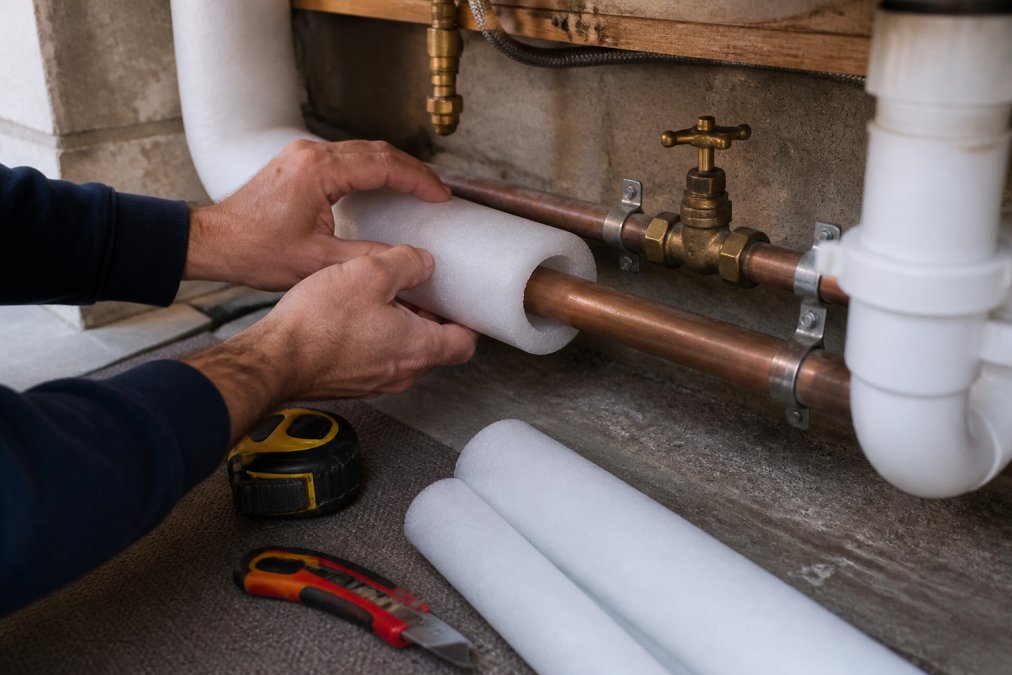
Exposed pipes are your biggest vulnerability in freezing weather. Any pipe that runs through an unheated space, crawl spaces, attics, exterior walls, or outside, needs insulation. Foam pipe insulation sleeves are inexpensive and effective. They come in various thicknesses; thicker is better in colder climates.
Wrap the insulation around pipes and secure it with duct tape or zip ties. Pay special attention to pipes near exterior walls and any that are already showing signs of corrosion or age. For pipes in extremely cold areas, consider heat tape, a self-regulating electrical heating cable that prevents freezing.
Outdoor spigots and hose bibs are particularly vulnerable. Shut off the water supply to them from inside the home, then open the outdoor valve to drain any remaining water. Some homeowners install freeze-proof hose bibs that have shut-off valves located inside the wall, preventing water from sitting in the exposed portion.
Failing to drain the water heater is a common mistake that leads to a burst tank. A burst tank means replacing the entire unit, a $1,500+ expense that could have been prevented with 10 minutes of preparation.
Signs of Plumbing Leaks in Unoccupied Homes
The challenge with vacant properties is that leaks often go undetected until significant damage has occurred. Knowing what to look for, or better yet, setting up monitoring, helps catch problems early.
Water stains on ceilings, walls, or floors are the most obvious sign of a leak. Discoloration that wasn’t there before your departure indicates water has been active. Soft spots in drywall or flooring suggest moisture has accumulated inside structural materials. A musty or moldy smell when you return is another red flag.
For slab leaks, leaks in water lines running under the concrete foundation, watch for wet spots on floors that have no obvious source. Cracks in the foundation or unusually high water bills (if the meter is running) also suggest underground leaks.
Call Now For A Free Estimate ?
The real problem is that many leaks are hidden.
Install water leak detectors in high-risk areas before you leave for the season. Battery-powered wireless sensors send alerts to your phone if moisture is detected, giving you time to respond before damage spreads.
Essential Seasonal Plumbing Inspections
Before leaving your seasonal home vacant, conduct a thorough inspection of all plumbing systems. This takes 1-2 hours but identifies problems that can be fixed proactively rather than discovered as emergencies.
Testing Sump Pumps and Drainage Systems
A sump pump is essential in areas prone to groundwater or heavy rainfall. Test yours by pouring water into the sump pit and confirming the pump activates and removes the water. If the pump doesn’t turn on, it may have failed and needs replacement before the wet season arrives.
Checking Water Pressure and Flow
Normal water pressure ranges from 40-80 psi (pounds per square inch). Pressure that’s too high causes stress on pipes and fixtures; too low suggests problems upstream. Many hardware stores sell inexpensive pressure gauges that screw onto an outdoor spigot.
Inspecting Water Heaters and Flushing Sediment
Water heater tanks accumulate sediment over time, reducing efficiency and shortening lifespan. Flushing the tank annually removes this buildup. Turn off the power or gas, let the water cool, then connect a hose to the drain valve at the bottom and run it into a floor drain or outside.
Cost of Whole House Repiping: When It’s Necessary
Whole house repiping is a significant undertaking that becomes necessary when your plumbing system has reached the end of its serviceable life. Understanding when it’s needed helps you plan and budget appropriately.
Whole house repiping is necessary when galvanized or polybutylene pipes show signs of failure, or when water quality issues suggest widespread corrosion. For seasonal homes, a professional assessment determines whether full repiping or targeted repairs make financial sense.
Long-Term Vacancy Protocols and Smart Monitoring
For seasonal homes that sit vacant for extended periods, a structured protocol protects your investment and gives you peace of mind. This goes beyond winterization to include remote monitoring and emergency response planning.
Frequently Asked Questions
How often should I perform plumbing maintenance on my seasonal home?
Seasonal homes require inspection and maintenance at least twice yearly: before closing for the off-season and before reopening. This schedule prevents freeze damage, catches leaks early, and ensures all fixtures function properly. If you’re away for extended periods, consider monthly remote monitoring or quarterly professional inspections to catch problems before they escalate into water damage or burst pipes.
What are the signs of plumbing leaks in unoccupied homes?
Look for water stains on ceilings or walls, discoloration around baseboards, soft drywall, musty odors, and mold growth. Water pooling in basements or crawl spaces, unusually high water meter readings when the home is vacant, and visible corrosion on pipes are also red flags. Early detection prevents structural damage and mold, which become expensive to remediate. Install leak detection sensors in high-risk areas like under sinks and near water heaters for remote alerts.
How much does whole house repiping cost, and when do I need it?
Whole house repiping costs depend on home size, pipe material, accessibility, and local labor rates. Pricing varies significantly, so contact Protek Plumbing and Drain Specialists for a free estimate. You may need repiping if pipes are corroded, frequently burst, or made of outdated materials like galvanized steel. Professional inspection identifies whether repiping is necessary or if targeted repairs suffice.
Can I monitor my seasonal home’s plumbing remotely?
Yes. Smart water shut-off valves, leak detection sensors, and pressure monitors send real-time alerts to your phone if water usage spikes or leaks are detected. These systems integrate with home automation platforms and allow you to shut off water remotely, preventing catastrophic damage while you’re away. Many insurance policies offer discounts for homes with active monitoring systems, reducing both risk and premiums.
What’s the best way to winterize plumbing in a vacation home?
Start by shutting off the main water supply and draining all lines by opening faucets and low-point drains. Add RV antifreeze to traps and drains to prevent freezing. Insulate exposed pipes with foam sleeves or heat tape, especially in unheated crawl spaces. Drain water heaters and sump pumps, and leave cabinet doors open under sinks to allow air circulation. Document all steps for spring reopening to ensure nothing is overlooked.
How do I know if my water heater needs flushing?
Flush your water heater annually, or twice yearly if you own a seasonal home with extended vacancy. Sediment buildup reduces efficiency and shortens tank lifespan. Signs include reduced hot water volume, rumbling sounds, or rust-colored water. Turn off the heater, attach a hose to the drain valve, and flush until water runs clear. If sediment is heavy or you’re uncomfortable doing this yourself, professional flushing takes 30-60 minutes.
What insurance documentation do I need for seasonal home plumbing maintenance?
Keep records of all inspections, repairs, and maintenance performed on your seasonal home’s plumbing system. Document photos of winterization, professional inspection reports, and receipts for work completed. Many insurers require proof of preventative maintenance to maintain coverage or offer discounts. This documentation also protects you if a claim is disputed and demonstrates due diligence in protecting your property from water damage.