
Table of Contents
- When to Call for Professional Drain Cleaning Services
- Signs of a Main Line Clog: What You Need to Know
- Slow Drain Troubleshooting: DIY Steps Before Calling a Professional
- Drain Cleaning Methods: Snaking, Hydro Jetting, and Descaling
- Understanding Drain Cleaning Cost and What Affects Pricing
- What to Expect During a Professional Drain Cleaning Visit
- Prevention and Maintenance to Avoid Future Clogs
- Frequently Asked Questions
Last Updated: October 7, 2026
When to Call for Professional Drain Cleaning Services
A clogged drain might seem like a minor annoyance, but it’s often a signal that something more serious is developing in your plumbing system. At Protek Plumbing and Drain Specialists, we’ve seen countless homeowners wait too long before calling for professional drain cleaning services, only to face much costlier repairs later. The difference between a simple clog and a major backup can come down to timing.
You should call for professional drain cleaning services when DIY methods fail, when multiple drains are backing up simultaneously, or when you notice recurring clogs in the same location. A single slow drain might respond to a plunger or drain snake. But if water is pooling in your shower, backing up into your sink, or draining from your toilet into other fixtures, you’re dealing with a blockage deeper in your system, possibly in your main line.
Emergency situations demand immediate attention. If sewage is backing up into your home, if you smell raw sewage around your property, or if you notice wet spots in your yard or foundation, these are signs of a serious sewer line issue. These problems won’t resolve on their own, and delaying professional intervention can lead to structural damage, health hazards, and exponentially higher repair costs.
Signs of a Main Line Clog: What You Need to Know
Understanding the difference between a localized clog and a main line blockage is critical because they require completely different solutions. A main line clog affects your entire plumbing system, not just one fixture. When the primary sewer line that carries all wastewater from your home becomes blocked, every drain in the house is compromised.
The most telling sign of a main line clog is when multiple drains back up at the same time. You might notice water pooling in your lowest-level fixtures, typically the basement toilet, shower, or floor drain, while upper-level drains work normally.
Another key indicator is gurgling sounds coming from your drains or toilet. This occurs when air trapped behind the blockage is forced back through the pipes as water tries to drain. If you hear these sounds consistently across multiple fixtures, especially after using the washing machine or flushing the toilet, a main line blockage is likely the culprit.
Sewage odors around your home or yard are an unmistakable warning sign. A blocked main line can cause raw sewage to back up into your home or overflow into your yard. If you detect this smell near your foundation, in your basement, or around your septic system area, contact a professional immediately.
Slow Drain Troubleshooting: DIY Steps Before Calling a Professional
Before you reach for the phone, there are several safe, practical steps you can take to address a slow drain. These methods work best for minor clogs caused by hair, soap buildup, or food debris. If the problem persists after trying these approaches, that’s your signal to contact Protek Plumbing and Drain Specialists for professional drain cleaning services.
Check for Visible Blockages
Start by examining the drain opening itself. Remove the drain cover or stopper and look for visible debris. Hair wrapped around the drain assembly is one of the most common culprits. Use a flashlight to see into the drain, and carefully remove any blockage you can reach with your fingers or a pair of needle-nose pliers. Dispose of the debris properly and rinse the area with hot water.
Try the Boiling Water Method
For kitchen sinks and bathroom drains, boiling water alone can dissolve minor grease and soap buildup. Boil a kettle of water and carefully pour it directly down the drain. Wait a few minutes and run hot tap water to see if drainage improves. This method is free, safe, and surprisingly effective for many common clogs. Repeat the process two or three times if necessary, but if the drain remains slow, move on to the next step.
Use a Plunger or Drain Snake
A standard plunger can dislodge minor clogs in sinks and tubs. Fill the sink with enough water to cover the plunger cup, place it over the drain, and pump vigorously several times. Break the seal and check if water drains. For shower drains, you may need to remove the drain cover first.
A manual drain snake (also called a plumbing auger) is more effective for stubborn clogs. Feed the snake into the drain slowly, turning the handle as you push. When you feel resistance, you’ve likely reached the clog. Continue turning and pushing to break through the blockage. Retract the snake carefully and flush the drain with hot water. These tools cost under twenty dollars and are worth keeping on hand for future use.
Drain Cleaning Methods: Snaking, Hydro Jetting, and Descaling
When professional intervention is necessary, drain cleaning specialists have several proven methods to restore flow. Understanding the differences helps you know what to expect during a service call and why a professional might recommend one approach over another.
Drain Snaking for Standard Clogs
Drain snaking is the most common professional method for clearing blockages. A motorized drain snake is more powerful than the manual version you might own. The technician feeds the cable into the drain, and the rotating head breaks apart the clog, whether it’s hair, grease, roots, or debris. This method works well for clogs within 50-75 feet of the drain opening and is typically the most affordable drain cleaning solution.
Snaking is ideal for single-fixture clogs or minor main line blockages. It’s fast, effective, and causes minimal disruption. However, it doesn’t clean the entire pipe, it just breaks through the obstruction. If buildup has accumulated along the pipe walls, you might experience another slow drain within weeks or months.
Hydro Jetting for Stubborn Buildup
Hydro jetting uses high-pressure water to scour the interior of pipes and remove buildup completely. Water is forced through the pipe at pressures exceeding 4,000 PSI, which clears not only the clog but also grease, mineral deposits, and debris stuck to the pipe walls. This method is far more thorough than snaking and provides longer-lasting results.
Hydro jetting is the best choice for recurring drain problems, heavily buildup pipes, or commercial drain cleaning situations where multiple fixtures drain into the same line. It’s also effective for clearing tree roots that have penetrated sewer lines, though the roots themselves must be removed separately. The main trade-off is cost, but the comprehensive cleaning often justifies the investment for persistent problems.
Drain Descaling for Hard Water Deposits
Hard water deposits and mineral buildup accumulate inside pipes over time, narrowing the passageway and slowing drainage. Drain descaling uses specialized equipment to remove these mineral layers without damaging the pipe. This method is particularly common in areas with hard water and is often recommended for older homes where mineral accumulation has become severe.
Descaling works best when combined with other methods. A professional might use snaking to clear an active clog, then descaling to address the underlying mineral buildup that contributed to the problem. This two-step approach prevents the clog from returning quickly.
Understanding Drain Cleaning Cost and What Affects Pricing
Drain cleaning pricing depends on several factors specific to your situation. The depth and location of the clog, the method required, the complexity of your plumbing system, and whether emergency service is needed all influence the final cost. Contact a professional for an estimate.
Call Now For A Free Estimate ?
When you call Protek Plumbing and Drain Specialists, we provide transparent estimates before work begins, no surprises. This upfront approach lets you understand exactly what you’re paying for and why. A simple snaking service for a single clogged sink will differ in cost from hydro jetting your main sewer line or descaling mineral buildup throughout your system.
Emergency service calls outside normal business hours typically carry an additional fee. However, the cost of emergency service is often worth it to prevent sewage damage to your home.
Ask about what’s included in your estimate. Does it cover the inspection? The cleanup? The warranty? Transparent pricing means you know exactly what you’re paying for before the work starts.
What to Expect During a Professional Drain Cleaning Visit
Understanding the process removes uncertainty and helps you prepare. When a professional arrives for drain cleaning services, the first step is always diagnosis. Many companies use drain camera inspection to locate the exact clog and assess pipe condition.
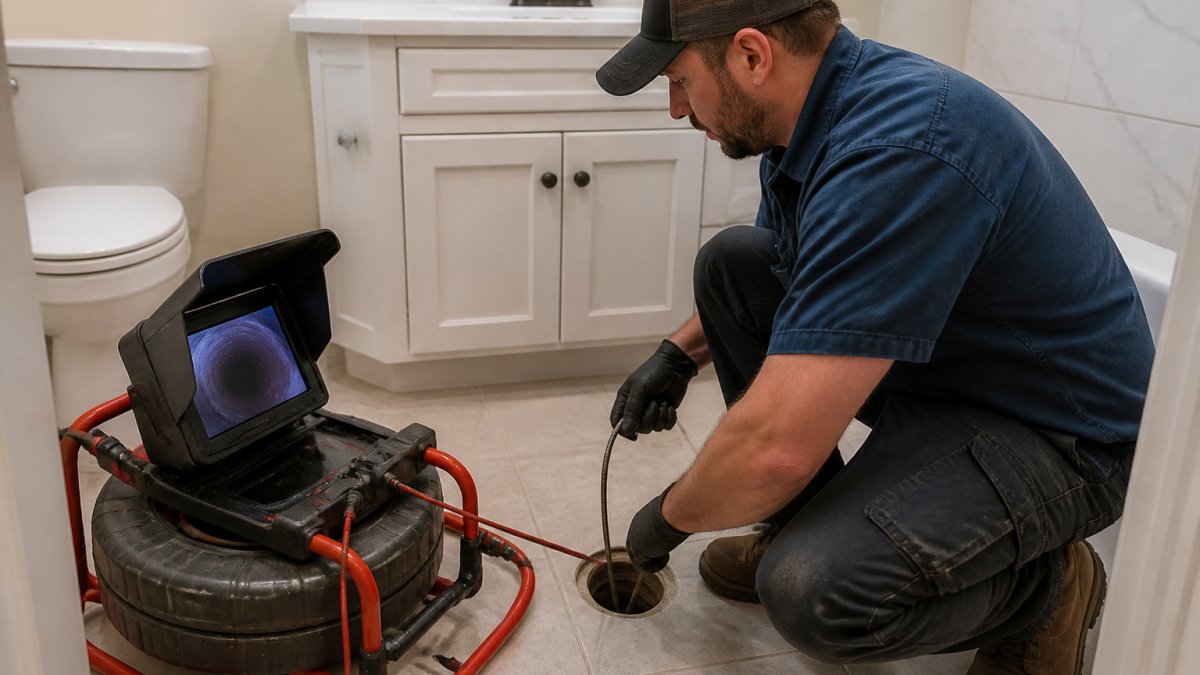
The technician will ask about the symptoms you’ve noticed, when the problem started, and whether you’ve attempted any fixes yourself. This information helps them understand whether they’re dealing with a localized clog or a systemic issue.
Next comes the inspection. A camera on a flexible cable is fed through the drain to see inside the pipes.
Once the problem is identified, the appropriate cleaning method is applied. The technician will explain which method they’re using and why. If snaking is the choice, you’ll hear the motorized cable running and may feel vibrations in the pipes.
After the clog is cleared, the technician will run water through the drain to confirm restoration of flow. Many professionals will perform a final camera inspection to verify the pipe is clear and to document the condition for your records.
Prevention and Maintenance to Avoid Future Clogs
The best drain cleaning strategy is prevention. Regular maintenance keeps your drains flowing freely and prevents emergencies from developing. Small habits make a significant difference over time.
In kitchen sinks, use drain screens to catch food particles before they enter the pipes. Never pour grease down the drain, let it cool and solidify, then throw it away.
In bathrooms, install hair traps in shower and tub drains. Hair is the leading cause of residential drain clogs. Clean these traps weekly. Use drain covers over floor drains in basements to prevent debris accumulation.
Perform routine maintenance monthly. Pour boiling water down drains to dissolve minor buildup. For drains that are prone to slowness, use a drain snake quarterly to remove buildup before it becomes a clog.
For homes with hard water, consider a water filtration system. Mineral deposits accumulate faster in hard water areas, leading to recurring drain and pipe problems.
Be mindful of what goes down your drains. Avoid flushing anything besides toilet paper, even if the package says it’s flushable. Medications, feminine hygiene products, paper towels, and cleaning wipes all contribute to sewer line blockages.
If you live in an older home with cast iron or galvanized pipes, have your drains inspected periodically. These materials corrode over time, and corrosion inside the pipes narrows the passageway and traps debris.
Drain problems rarely resolve on their own, they only get worse.
Frequently Asked Questions
What are the signs of a main line clog?
Main line clogs affect multiple drains throughout your home. Watch for sewage backups in toilets, slow drains in sinks and showers, gurgling sounds from drains, or wet patches in your yard. If you notice these issues across several fixtures at once, the problem is likely in your main sewer line rather than a single drain. A professional camera inspection can confirm whether the main line is blocked.
Is hydro jetting better than snaking a drain?
Hydro jetting uses high-pressure water to clear tough buildup, grease, and mineral deposits that a snake might miss. It’s more effective for severe clogs and recurring problems, but snaking is sufficient for most standard blockages. A professional can assess your situation and recommend the right method. Hydro jetting delivers deeper cleaning and longer-lasting results for stubborn clogs.
How much does professional drain cleaning typically cost?
Drain cleaning cost depends on the severity of the clog, which method is needed, and whether the problem is in a single drain or your main line. Simple snaking of a single drain will differ in cost from hydro jetting or main line work. Contact a local professional for a free estimate before any work begins so you know the exact cost upfront with no surprises.
Can I fix a slow drain myself before calling a plumber?
Yes, try these steps first: remove visible debris from the drain opening, pour boiling water down the drain to dissolve soap and grease, use a plunger to dislodge the clog, or use a hand-crank drain snake for minor blockages. If the drain remains slow after these attempts, or if multiple drains are affected, call a professional. They have the tools and expertise to diagnose and fix the problem safely.